Choosing the right rubber mat can be easier with a clear buying guide, but the wrong product can lead to problems such as strong odors, poor traction, cracking, and premature wear.
Whether you need rubber mats for a home, gym, playground, commercial facility, or outdoor area, it is important to look beyond price and appearance. Material quality, thickness, slip resistance, environmental conditions, and customization options can all affect long-term performance.
In this rubber mat buying guide, we cover five common mistakes to avoid and explain what to look for when choosing rubber flooring for residential and commercial applications.
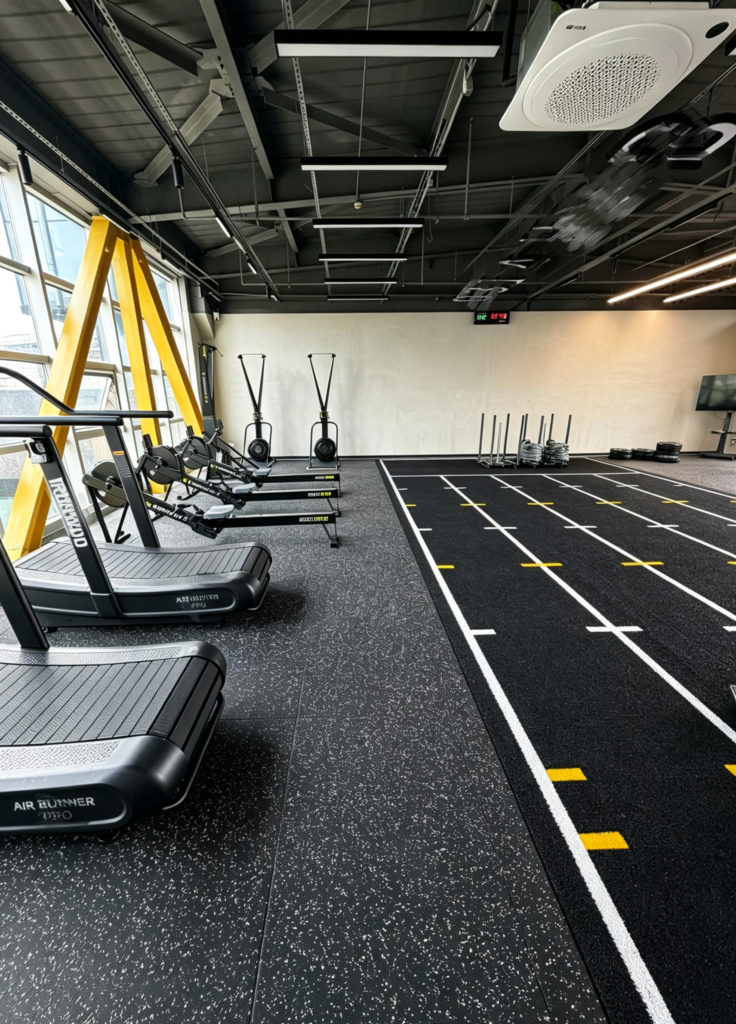
Choosing the Cheapest Option Without Checking Material Quality
Price is an important consideration, but choosing a rubber mat based solely on cost can lead to higher expenses over time.
Some low-cost mats may use lower-grade rubber compounds or fillers that can result in a stronger rubber odor, faster wear, poor elasticity, or reduced durability. However, material quality varies from product to product, so buyers should check the actual material composition and available product information rather than relying on price alone.
What to Look For
Ask the supplier about the rubber composition, manufacturing process, durability, and intended applications.
For projects where durability and long-term performance are important, look for high-quality rubber materials and products with clear specifications.
A higher-quality mat may cost more initially, but its longer service life can provide better value over time.
Assuming Thicker Rubber Mats Are Always Better
A thicker mat is not automatically a better mat.
Thickness affects cushioning, impact absorption, durability, weight, and installation requirements. A heavy-duty rubber mat may be suitable for a gym, playground, or high-traffic commercial area, while a thinner mat may be more practical for a home entrance, kitchen, balcony, or other light-duty application.
Choosing a mat that is thicker than necessary can also increase material, shipping, and installation costs.
How to Choose the Right Thickness
Start with the intended application rather than simply choosing the thickest option available.
- Light-duty residential areas: thinner, flexible mats may be sufficient.
- Gyms and fitness areas: thicker mats can provide additional impact and equipment protection.
- Playgrounds: choose thickness based on the intended use and required impact protection.
- Commercial and high-traffic areas: heavier-duty mats may offer better resistance to wear.
- Outdoor applications: consider thickness together with resistance to weather, moisture, and temperature changes.
Always check the manufacturer’s recommended application and product specifications before making a decision.
Using Indoor Rubber Mats Outdoors
Not every rubber mat is designed for outdoor use.
Outdoor flooring is exposed to sunlight, rain, moisture, temperature changes, and other environmental conditions. A product intended for indoor use may not have the UV or weather resistance needed for prolonged outdoor exposure.
Over time, unsuitable materials may fade, become brittle, deform, or develop surface damage.
What to Look For
If you are buying rubber mats for a patio, yard, playground, poolside area, walkway, or other outdoor location, confirm that the product is specifically designed for outdoor use.
Look for features such as:
- UV resistance or UV stabilization
- Weather resistance
- Moisture resistance
- Temperature resistance
- Suitable drainage or surface design
For indoor applications, factors such as odor, cleaning, comfort, appearance, and compatibility with the installation environment may be more important.
Overlooking Wet-Surface Slip Resistance
A rubber mat can provide good grip when dry but perform differently when exposed to water, humidity, or other contaminants.
This is particularly important in bathrooms, entrances, kitchens, poolside areas, gyms, workshops, and outdoor spaces where surfaces may become wet.
A smooth surface may provide less traction than a properly designed textured surface under wet conditions.
What to Look For
When slip resistance is important, check the manufacturer’s available slip-resistance data and test methods rather than relying only on terms such as “non-slip” or “slip-resistant.”
Surface texture, drainage, material composition, installation, and maintenance can all affect traction.
For wet or high-moisture environments, a textured rubber surface designed for the intended application can help provide more consistent underfoot grip.
Choosing Only Standard Sizes
Standard-size rubber mats are convenient, but they may not work well in every space.
Irregular rooms, custom playground layouts, commercial facilities, walkways, and large flooring projects may require specific dimensions or layouts. Using only standard sizes can result in unnecessary gaps, additional cutting, or more installation work.
Consider Custom Rubber Mats
If your project has specific dimensions or design requirements, ask whether the manufacturer offers customization.
Depending on the supplier, customization may include:
- Custom lengths and widths
- Different thicknesses
- Multiple colors
- Surface patterns
- Edge designs
- Custom shapes
- Project-specific packaging
For larger projects, it is also worth discussing installation requirements and how the mats will be joined or arranged before production.
Final Thoughts
Choosing rubber mats is about more than comparing prices and thicknesses. The right product should match the environment, traffic level, intended use, and expected service life of your project.
By checking the material, thickness, application, slip resistance, and available customization options before purchasing, you can reduce the risk of choosing a product that does not meet your needs.
If you are sourcing rubber mats for a residential project, commercial facility, gym, playground, or outdoor space, our team can help you compare specifications, select suitable options, and discuss custom sizes, colors, and thicknesses.
Looking for the right rubber flooring for your project? Contact us to discuss your requirements and request product specifications or a quotation.